


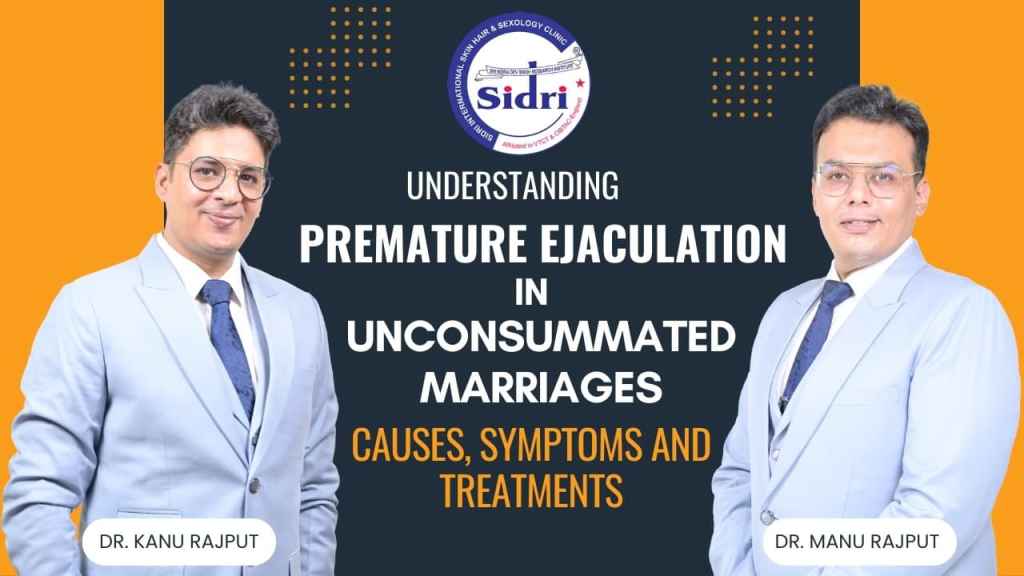
Premature Ejaculation and Its Impact on Unconsummated Marriages
1. Introduction: Understanding the Hidden Challenge of Premature Ejaculation in Unconsummated Marriages
Premature ejaculation (PE) can be a silent struggle, impacting relationships in profound ways. But how exactly does it affect marriages, especially when they remain unconsummated? Let’s dive deep into this often misunderstood issue.
1.1 What is Premature Ejaculation? Everything You Need to Know
Premature ejaculation is one of the most common sexual dysfunctions among men. But what does it really entail? Here’s a straightforward breakdown:
- Definition:
- Premature ejaculation occurs when ejaculation happens sooner during sexual intercourse than one or both partners would like.
- Typically defined as ejaculation that occurs within one minute of penetration.
- Prevalence:
- Affects approximately 1 in 3 men at some point in their lives.
- Can occur in men of any age but is more common in younger men.
- Types:
- Primary (Lifelong): Present since the individual became sexually active.
- Secondary (Acquired): Develops after a period of normal sexual function.
- Symptoms:
- Inability to delay ejaculation during intercourse.
- Distress and frustration, leading to avoidance of sexual intimacy.
- Did You Know? Most cases of PE are treatable with proper diagnosis and intervention.
1.2 Why Unconsummated Marriages Matter: An In-Depth Look
An unconsummated marriage is often a consequence of unresolved premature ejaculation. But why should we be concerned? Let’s explore.
- Definition:
- An unconsummated marriage is one where the couple has not engaged in sexual intercourse post-marriage.
- Emotional Impact:
- Feelings of inadequacy and low self-esteem in the affected partner.
- Emotional distancing and frustration in both partners.
- Increased risk of anxiety, depression, and other mental health issues.
- Relationship Strain:
- Lack of physical intimacy can lead to emotional disconnection.
- Potential misunderstandings and conflicts over the issue.
- Can act as a barrier to starting a family, causing additional stress.
- Why It Matters:
- Affects not just sexual satisfaction, but overall marital happiness.
- Addressing the issue can pave the way for healthier, more fulfilling relationships.
2. Definition and Statistics: Setting the Stage
Before we delve further, it’s crucial to set the stage with clear definitions and some eye-opening statistics.
2.1 Premature Ejaculation: A Closer Look at the Medical Definition
Understanding the medical definition of premature ejaculation is essential for grasping its impact:
- Medical Definition:
- Premature ejaculation is a form of sexual dysfunction characterized by ejaculation that happens sooner than desired—usually within one minute of vaginal penetration.
- It is associated with a lack of control over ejaculation and feelings of distress or frustration.
- Key Criteria:
- Latency Time: Medical professionals often refer to the intravaginal ejaculatory latency time (IELT), which is the time from vaginal penetration to ejaculation.
- Frequency of Occurrence: Persistent or recurrent ejaculation with minimal sexual stimulation.
- Emotional Distress: Significant personal distress or interpersonal difficulty stemming from the condition.
- Did You Know?:
- Biological Factors: Can include neurotransmitter imbalances, hormonal imbalances, and genetic predispositions.
- Psychological Factors: Stress, performance anxiety, and relationship issues can exacerbate the condition.
2.2 Unconsummated Marriages: How Common Are They?
The topic of unconsummated marriages is often shrouded in silence, but it’s more prevalent than you might think:
- Incidence Rates:
- Estimates suggest that up to 2-3% of all marriages globally remain unconsummated.
- In some cultural contexts, the rates could be higher due to various socio-cultural pressures and norms.
- Why It Happens:
- Premature Ejaculation: One of the leading causes.
- Vaginismus: Inability of the woman’s vaginal muscles to relax, making intercourse painful or impossible.
- Psychological Barriers: Anxiety, sexual trauma, or fear of intimacy may also play significant roles.
- Impact on Couples:
- May lead to feelings of isolation and inadequacy.
- Social stigma and cultural pressures can exacerbate the emotional toll.
- Couples often suffer in silence due to the sensitive nature of the issue.
- Statistical Insight:
- A study published in the International Journal of Impotence Research found that about 20% of men with premature ejaculation admit their relationships suffer significant distress.
3. Symptoms and Diagnosis: Spotting the Signs Early
Early detection and understanding of symptoms can make a significant difference in addressing these intimate issues effectively.
3.1 Common Symptoms of Premature Ejaculation You Shouldn’t Ignore
Recognizing the symptoms of premature ejaculation is the first step towards seeking treatment:
- Rapid Ejaculation:
- Ejaculation that consistently occurs within approximately one minute of vaginal penetration.
- Occurs before the person desires it during nearly all or all sexual encounters.
- Lack of Ejaculatory Control:
- Inability to delay ejaculation during sexual activity, leading to stress or frustration.
- Emotional and Psychological Symptoms:
- Feelings of embarrassment, guilt, or frustration over one’s sexual performance.
- Avoidance of sexual intimacy due to fear of disappointing a partner.
- Partner Discontent:
- Partner’s dissatisfaction can also be a significant indicator.
- Overall relationship distress stemming from sexual dissatisfaction.
- Associated Physical Symptoms:
- Although primarily a psychological condition, some men may experience symptoms like rapid heartbeats, excessive sweating, and feelings of panic during sexual activity.
3.2 Diagnosing Unconsummated Marriages: Key Indicators
Determining whether a marriage is unconsummated involves identifying certain key indicators:
- Absence of Vaginal Penetration:
- Primary indicator is the consistent inability to engage in vaginal intercourse after marriage.
- This must persist for a significant period despite attempts or opportunities to consummate.
- Underlying Conditions:
- Sexual Dysfunction: Conditions like premature ejaculation or vaginismus.
- Psychological Barriers: Anxiety, shame, or trauma related to sexual activity.
- Emotional and Relational Factors:
- Feelings of frustration, inadequacy, and stress in both partners.
- Communication breakdowns and avoidance of discussing the issue openly.
- Clinical Evaluation:
- History and Examination: A detailed sexual history and medical examination by a healthcare professional.
- Psychological Assessment: Evaluation by a psychologist or sex therapist to identify any emotional or relational barriers.
- Partner’s Perspective:
- Includes understanding the partner’s experiences, feelings, and concerns regarding sexual activity.
4. Causes of Premature Ejaculation: What You Need to Know
Understanding the root causes is crucial for effective treatment and management. Premature ejaculation is often a complex interplay of biological, psychological, and lifestyle factors.
4.1 Biological Factors: The Role of Your Body
Biological factors can play a significant role in premature ejaculation:
- Neurotransmitter Imbalances:
- Serotonin Levels: Low levels of serotonin in the brain have been linked to quicker ejaculation.
- Dopamine: High levels of dopamine can also contribute to early ejaculation.
- Hormonal Imbalances:
- Testosterone Levels: Abnormal testosterone levels can influence sexual function.
- Thyroid Issues: Hyperthyroidism has been associated with premature ejaculation.
- Genetic Predispositions:
- Some men may have a genetic susceptibility to this condition.
- Prostatitis and Urethritis:
- Inflammation or infections of the prostate or urethra can contribute to this issue.
- Erectile Dysfunction:
- Men who are anxious about maintaining their erection may rush to ejaculate.
- Reflex Activity:
- Abnormal reflex activity in the ejaculatory system.
4.2 Psychological Triggers: How Your Mind Affects It
Psychological factors often exacerbate or even cause premature ejaculation:
- Stress and Anxiety:
- General life stress or specific anxiety about sexual performance can be a trigger.
- Depression:
- Can contribute to or exacerbate sexual dysfunction.
- Relationship Issues:
- Poor relationship dynamics and lack of communication can affect sexual performance.
- Performance Anxiety:
- Worrying excessively about sexual performance can cause a cycle of premature ejaculation.
- Previous Sexual Trauma:
- Past traumatic experiences related to sex can play a critical role.
- Low Self-esteem:
- Negative self-perception and lack of confidence can affect ejaculatory control.
4.3 Lifestyle Influences: Everyday Habits Matter
Your daily habits and lifestyle choices can also impact premature ejaculation:
- Substance Use:
- Excessive alcohol, drugs, or nicotine use can affect sexual function.
- Physical Health:
- Poor physical health, such as obesity or lack of exercise, can contribute to the problem.
- Diet:
- Unhealthy eating habits that contribute to physical unwellness (e.g., high-fat diets impacting blood flow).
- Sleep:
- Insufficient sleep can affect overall well-being and sexual performance.
- Routine and Stress:
- Poor work-life balance and chronic stress can exacerbate the condition.
- Communication:
- Lack of open communication with your partner can create mental barriers.
5. The Emotional and Psychological Impact on Marriages
The significant emotional and psychological strain caused by premature ejaculation can deeply affect both partners in a relationship. Understanding these impacts is vital to addressing the broader issues stemming from this condition.
5.1 How Premature Ejaculation Affects Emotional Wellbeing
Premature ejaculation can profoundly impact an individual’s emotional health:
- Self-Esteem and Confidence:
- Results in feelings of inadequacy and diminished self-worth.
- Constant worry about performance can erode personal confidence.
- Embarrassment and Shame:
- Persistent issues may lead to embarrassment, often making it difficult to discuss the problem even with a healthcare provider.
- The social stigma associated with sexual dysfunction can compound feelings of shame.
- Frustration and Helplessness:
- The repeated experience of premature ejaculation can lead to significant frustration.
- A sense of helplessness if initial solutions or treatments do not provide immediate results.
- Anxiety and Depression:
- Ongoing sexual dysfunction can contribute to anxiety and depressive symptoms.
- Mental health conditions can create a vicious cycle, exacerbating premature ejaculation.
- Impact on Intimacy:
- Reduces overall sexual satisfaction, leading to decreased desire for intimacy.
- Fear of consistent disappointment can result in avoidance of sexual encounters.
5.2 The Psychological Toll on Both Partners
Both individuals in a relationship can face psychological strains due to premature ejaculation:
- For the Affected Partner:
- Stress and Pressure: Anxiety about future sexual performance can become overwhelming.
- Guilt and Regret: Persistent feelings of guilt or regret for not meeting their partner’s sexual needs.
- For the Unaffected Partner:
- Frustration and Disappointment: Continual unmet sexual needs can lead to significant frustration.
- Resentment: May develop resentment towards their partner over time.
- Self-Blame: Might incorrectly believe they are the cause of their partner’s dysfunction.
- Relationship Dynamics:
- Communication Breakdown: Avoidance of discussing the issue can widen existing emotional gaps.
- Emotional Distance: Loss of emotional closeness due to sexual dissatisfaction.
- Decreased Relationship Satisfaction: Overall relationship satisfaction may decline due to persistent sexual and emotional dissatisfaction.
- Mutual Psychological Impact:
- Increased Conflict: Sexual dissatisfaction can escalate conflicts and create new tensions.
- Shared Anxiety: Both partners may develop significant anxiety surrounding their sexual relationship.
- Emotional Bond Strain: The emotional bond may weaken, impacting overall relationship health.
6. Communication Breakdowns: When Words Fail
Communication is a cornerstone of any healthy relationship. When dealing with intimate issues like premature ejaculation, effective communication is crucial but often challenging. This section provides insights on how to discuss these sensitive matters with your partner and strategies for maintaining open lines of communication in unconsummated marriages.
6.1 How to Talk to Your Partner About Premature Ejaculation
Open and honest communication can improve both emotional intimacy and mutual understanding:
- Choose the Right Time and Place:
- Find a private, comfortable setting to discuss sensitive topics.
- Avoid bringing up the issue during or immediately after sexual activity.
- Be Honest Yet Sensitive:
- Express your feelings and concerns without blaming or criticizing your partner.
- Use “I” statements to share your experience, e.g., “I feel concerned when…”
- Focus on Solutions:
- Discuss potential ways to address the problem together.
- Show willingness to explore different treatment options and seek professional help if necessary.
- Show Empathy and Support:
- Acknowledge your partner’s feelings and reassure them of your love and support.
- Understand that your partner may also feel embarrassed or frustrated.
- Stay Positive and Encouraging:
- Emphasize your commitment to working through the issue together.
- Highlight the positive aspects of your relationship and sexual experiences.
6.2 Strategies for Effective Communication in Unconsummated Marriages
When a marriage remains unconsummated due to sexual dysfunction, effective communication becomes even more crucial:
- Recognize the Emotional Weight:
- Understand that both partners may feel a significant emotional burden.
- Validate each other’s feelings and experiences.
- Seek Professional Guidance:
- Consider couples therapy to facilitate open and constructive communication.
- A sexual health specialist can provide tailored advice and treatment options.
- Set Realistic Expectations:
- Discuss and set mutual expectations about treatment and progress.
- Be patient and acknowledge that resolving sexual issues can take time.
- Prioritize Emotional Intimacy:
- Engage in non-sexual physical intimacy like holding hands, hugging, or kissing.
- Build and maintain emotional closeness to strengthen your bond.
- Regular Check-ins:
- Schedule regular conversations to discuss progress, concerns, and feelings.
- Ensure these check-ins remain a safe space free from judgment or blame.
- Educate Yourselves:
- Learn together about sexual health and the potential causes and treatments for premature ejaculation.
- Understanding the issue better can remove misconceptions and reduce anxiety.
7. Avoidance and Mutual Frustration
When couples face challenges like premature ejaculation, avoidance behaviors and mutual frustration often arise, leading to a strained relationship. Addressing these issues head-on is vital for repairing and strengthening the bond between partners. This section provides insights into understanding and managing avoidance behaviors, as well as strategies for dealing with mutual frustration and blame.
7.1 Understanding Avoidance Behaviors in Relationships
Avoidance behaviors often develop as a coping mechanism but can have detrimental effects on the relationship:
- Common Avoidance Behaviors:
- Sexual Avoidance: One or both partners may avoid sexual contact to prevent disappointment or embarrassment.
- Emotional Withdrawal: Pulling away emotionally to avoid confrontations or discussions about the issue.
- Social Avoidance: Isolating from social interactions that might highlight the problem.
- Triggers for Avoidance:
- Fear of repeated failure or sexual inadequacy.
- Past experiences of criticism or rejection.
- Underlying mental health issues such as anxiety or depression.
- Impact on Relationship:
- Creates emotional distance and disconnect.
- Leads to a breakdown in communication and intimacy.
- Perpetuates feelings of loneliness and isolation.
- Overcoming Avoidance:
- Awareness: Recognize and acknowledge the avoidance behaviors.
- Open Dialogue: Encourage honest and non-judgmental conversations.
- Professional Help: Seek counseling or therapy to address underlying issues and develop healthier coping mechanisms.
- Regular Intimacy: Engage in non-sexual forms of physical affection to rebuild emotional closeness.
7.2 Dealing with Mutual Frustration and Blame
Mutual frustration and blame can quickly erode the foundation of any relationship if left unaddressed:
- Understanding the Sources:
- Unmet Expectations: Frustration due to sexual dissatisfaction and unmet expectations.
- Emotional Stress: The emotional toll of dealing with a persistent issue can lead to irritability and blame.
- Miscommunication: Misunderstandings and assumptions often fuel frustration and blame.
- Strategies to Manage and Mitigate Frustration:
- Empathy and Compassion: Make a conscious effort to understand each other’s perspectives and emotions.
- Clear Communication: Address issues directly with honesty and kindness.
- Shared Goals: Focus on collective problem-solving rather than assigning blame.
- Patience and Patience: Recognize that resolving sexual issues takes time and effort from both partners.
- Building a Blame-Free Environment:
- Own Your Emotions: Use “I” statements to express feelings without accusing your partner, e.g., “I feel upset when…”
- Positive Reinforcement: Acknowledge and appreciate each other’s efforts to address the issue.
- Constructive Feedback: Offer suggestions and feedback that are solution-oriented.
- External Support: Consider couple’s therapy to navigate through intense emotions and learn effective communication techniques.
8. Real-Life Case Studies: Learning from Others
8.1 Case Study 1: A Journey to Intimacy
Patient Background: A 30-year-old male who experienced premature ejaculation within 1-2 minutes, which had a severe impact on his relationship and self-confidence.
Treatment and Experience:
The patient consulted Dr. Kanu Rajput after reading favorable reviews and felt reassured by the doctor’s expertise in treating premature ejaculation through Ayurveda. The treatment plan included a combination of herbal medications and specific lifestyle modifications.
Patient’s Review:
The patient reported significant improvement within a few weeks. Before the treatment, he ejaculated within 1-2 minutes, but after sticking to Dr. Kanu Rajput’s treatment plan, his ejaculation duration increased to 10-12 minutes. He appreciated Dr. Kanu’s professional yet empathetic approach, which made him feel understood and supported throughout the treatment journey.
Outcome:
The patient regained confidence and noted a substantial improvement in his intimate relationship. The holistic approach not only extended his ejaculation time but also enhanced his overall well-being.
Source: Dr. Kanu Rajput’s Reviews
8.2 Case Study 2: Turning the Tide in Struggling Marriages
Patient Background: A 35-year-old male facing premature ejaculation within 1 minute, leading to marital strife and emotional distress.
Treatment and Experience:
This patient sought the expertise of Dr. Manu Rajput after facing repeated disappointment with other treatments. The comprehensive Ayurvedic treatment prescribed by Dr. Manu focused on herbal remedies, dietary changes, and stress management techniques.
Patient’s Review:
The patient highlighted a transformational experience, noting that his ejaculation time improved from less than a minute to around 8-10 minutes after the treatment. He praised Dr. Manu Rajput for his thorough understanding of the issue and his compassionate approach. The patient felt supported and motivated by the doctor’s consistent follow-ups and personalized care.
Outcome:
The patient and his spouse experienced a renewed sense of intimacy and connection. The treatment not only addressed the issue of premature ejaculation but also significantly reduced the emotional strain in their marriage.
Source: Dr. Manu Rajput’s Reviews
9. Seeking Professional Help: Your First Steps
Addressing premature ejaculation requires professional intervention, and understanding your options can significantly improve your experience and outcomes. This section will guide you through the importance of consulting a medical professional and the various therapy options available to you.
9.1 Why Consulting a Medical Professional is Crucial
Consulting a medical professional is the most effective way to address premature ejaculation. Here’s why:
- Accurate Diagnosis: A healthcare provider can accurately diagnose the underlying causes of premature ejaculation, whether they are psychological, physical, or a combination of both.
- Tailored Treatment Plan: Medical professionals can devise a personalized treatment plan that addresses your specific needs, which can include medication, therapy, or lifestyle changes.
- Safety and Efficacy: Professionals ensure that any prescribed treatments or therapies are safe and effective, minimizing potential side effects and interactions with other medications.
- Comprehensive Care: Healthcare providers offer continuous monitoring and support, adjusting treatments as necessary to achieve the best possible outcomes.
- Psychological Support: They provide essential psychological support and can refer you to specialists such as Ayurvedic Sexologists or psychologists if needed.
In short, consulting a medical professional ensures you receive a comprehensive, safe, and effective approach to managing premature ejaculation.
9.2 Therapy Options: What Works Best?
Several therapy options are available to treat premature ejaculation. What works best varies from person to person based on the root cause of the issue. Here, we evaluate the different therapies, including potential drawbacks, and highlight why customized Ayurvedic treatments by Dr. Kanu Rajput and Dr. Manu Rajput might be the most effective option.
Behavioral Therapy
- Start-Stop Technique: Involves stimulating the penis to the point just before ejaculation and then stopping. This helps in gaining better control over ejaculation.
- May Not Work For Everyone: It requires significant self-discipline and partner cooperation. Some people find it difficult to implement consistently, and it does not address underlying psychological or physiological issues.
- Squeeze Technique: Just before ejaculation, pressure is applied to the end of the penis to reduce arousal.
- May Not Work For Everyone: Similar to the start-stop technique, this method also demands a high level of control and cooperation. It can be difficult to master and may not resolve the underlying causes.
Psychological Therapy
- Cognitive Behavioral Therapy (CBT): Helps address negative thought patterns that may contribute to premature ejaculation. It is effective in reducing anxiety and improving sexual confidence.
- May Not Work For Everyone: Success depends on the individual’s willingness and ability to change thought patterns and behaviors. It often requires multiple sessions and sustained effort.
- Sex Therapy: Involves therapy sessions with a certified sex therapist who helps couples improve their sexual communication and intimacy.
- May Not Work For Everyone: Benefits can be limited if there are strong underlying physiological issues. Success depends on the therapist’s skill and the couple’s openness and commitment to therapy.
Pharmacological Treatments
- Topical Anesthetics: Creams or sprays applied to the penis to reduce sensitivity and delay ejaculation.
- Potential Drawbacks:
- Short-term Relief: Only provides temporary effects and must be applied before each sexual activity.
- Side Effects: Can cause skin irritation, and there is a risk of transferring the anesthetic to the partner, causing unwanted numbness.
- Sexual Side Effects: May reduce pleasure and sensation, potentially affecting sexual satisfaction for both partners.
- Potential Drawbacks:
- Oral Medications: Antidepressants such as Selective Serotonin Reuptake Inhibitors (SSRIs) or pain medications found effective in delaying ejaculation.
- Potential Drawbacks:
- Side Effects: Common side effects include nausea, dizziness, fatigue, and sexual dysfunction, such as reduced libido and erectile dysfunction.
- Delayed Effect: Medications often take several weeks to become effective and require continuous use.
- Mismatch with Root Causes: These medications do not address the underlying cause of premature ejaculation and may not be suitable for long-term use.
- Potential Drawbacks:
Alternative Medicine & Therapies
- Ayurvedic Medicine: Using natural herbs and dietary changes to improve sexual health. Both Dr. Kanu Rajput and Dr. Manu Rajput have successfully treated many patients through this holistic approach.
- Benefits:
- Holistic Approach: Treats the body, mind, and spirit, addressing the root cause.
- Personalized Treatment: Customized to fit individual needs, offering more effective and lasting results.
- Natural and Safe: Uses natural herbs and dietary adjustments with minimal side effects.
- Proven Efficacy: Many patients report significant improvements in sexual health and overall well-being.
- Benefits:
Acupuncture
- Some studies suggest that acupuncture can help in managing premature ejaculation by improving energy flow in the body.
- May Not Work For Everyone: Efficacy can vary, and scientific evidence is still limited. Results might depend on the practitioner’s skill and the individual’s response.
Lifestyle Changes
- Diet and Exercise: Incorporating a healthy diet and regular exercise can improve overall well-being and sexual health.
- May Not Work For Everyone: Requires consistency and dedication. Benefits are more generalized and may not directly address premature ejaculation.
- Reducing Stress: Stress management techniques like yoga, meditation, and mindfulness can significantly impact sexual performance.
- May Not Work For Everyone: Effectiveness can vary based on the individual’s ability to practice these techniques regularly and the level of stress they are experiencing.
In short,
While various methods can help manage premature ejaculation, customized Ayurvedic treatments by Dr. Kanu Rajput and Dr. Manu Rajput stand out as the most effective and holistic option. These treatments offer long-term benefits by addressing the root causes, improving overall health, and enhancing sexual performance without the significant side effects associated with pharmacological options.
10. Treatment Options for Premature Ejaculation
10.1 Medications: What Are Your Options?
Several conventional medications help control premature ejaculation by altering sensitivity or sexual timing.
Selective Serotonin Reuptake Inhibitors (SSRIs):
- How They Work: Used primarily as antidepressants but delay ejaculation as a side effect.
- Examples: Dapoxetine (Priligy), Sertraline (Zoloft), Paroxetine (Paxil), Fluoxetine (Prozac).
- Potential Side Effects: Nausea, dizziness, fatigue, reduced libido, sexual dysfunction, and erectile dysfunction.
- Pros: Effective for delaying ejaculation and can be used off-label for PE.
- Cons: May take several weeks to become effective and require continuous use. Side effects could impact overall quality of life.
Topical Anesthetics:
- How They Work: Creams or sprays applied to the penis, reducing sensitivity.
- Examples: Lidocaine, Prilocaine.
- Potential Side Effects: Skin irritation, risk of transferring the numbing agent to the partner, reduced sexual pleasure.
- Pros: Quick and easy to use, provides temporary relief.
- Cons: Short-term effects that may reduce sexual gratification for both partners.
Tramadol:
- How It Works: A pain medication that can delay ejaculation.
- Potential Side Effects: Drowsiness, dizziness, nausea, risk of dependence.
- Pros: Effective for short-term management.
- Cons: Risk of dependency and side effects, not suitable for long-term use.
10.2 Therapeutic Interventions: Behavioral Techniques
Behavioral techniques can be highly effective in managing PE by providing practical methods to control ejaculation.
Start-Stop Technique:
- How It Works: Stimulating the penis until the brink of ejaculation, then stopping to reduce arousal before resuming.
- Pros: Non-invasive, no side effects.
- Cons: Requires significant patience, self-control, and partner cooperation.
Squeeze Technique:
- How It Works: Applying pressure to the end of the penis just before ejaculation to reduce arousal.
- Pros: Non-invasive, no side effects.
- Cons: Similar to the start-stop technique, demands high levels of control and cooperation.
Cognitive Behavioral Therapy (CBT):
- How It Works: Addresses negative thought patterns contributing to premature ejaculation.
- Pros: Reduces anxiety, improves sexual confidence.
- Cons: Requires multiple sessions and sustained effort. Success depends on individual commitment.
Sex Therapy:
- How It Works: Therapy sessions with a certified sex therapist to improve sexual communication and intimacy.
- Pros: Helpful for improving relational factors.
- Cons: May not address physiological issues and requires openness and commitment from both partners.
10.3 Lifestyle Adjustments: Diet, Exercise, and Habits
Healthy lifestyle changes can significantly impact overall well-being and sexual health.
Diet:
- What to Do: Follow a balanced diet rich in fruits, vegetables, whole grains, lean proteins, and healthy fats.
- Pros: Improves overall health, can reduce anxiety and stress levels.
- Cons: Benefits are more generalized and may not provide immediate effects for PE.
Exercise:
- What to Do: Regular physical activities like running, swimming, or strength training.
- Pros: Enhances physical fitness, reduces stress, improves self-confidence.
- Cons: Requires consistency and dedication.
Stress Reduction Techniques:
- What to Do: Practice mindfulness, yoga, meditation, and deep-breathing exercises.
- Pros: Reduces anxiety and stress, which can significantly impact sexual performance.
- Cons: Effectiveness varies based on the individual’s ability to practice these techniques regularly.
10.4 Our Customized Ayurvedic Treatments: A Comprehensive Solution
Let’s take a closer look at the common challenges associated with conventional premature ejaculation treatments and explore our Ayurvedic solutions, which promise a transformative experience.
Conventional Treatments:
- Medications like SSRIs and Tramadol:
- Require continuous use.
- Potential side effects include nausea, reduced libido, and fatigue.
- Topical Anesthetics:
- Provide temporary relief.
- Risk of transferring the numbing agent to the partner, reducing enjoyment.
- Behavioral Techniques:
- Demand consistent effort and partner cooperation.
- May be challenging to implement effectively.
The Ayurvedic Advantage:
Sidri International Skin Hair & Sexology Clinic’s Ayurvedic treatments for Premature Ejaculation offer a holistic and long-term solution.
How It Works:
- Customized Ayurvedic medicines are tailored to address the root cause of PE, ensuring comprehensive treatment.
Pros:
- No Dependency Issues: Regain natural sexual function without continuous medication.
- No Invasive Procedures: Avoid the discomfort of topical anesthetics and the complexities of behavioral techniques.
- Holistic Benefits: Improve overall health and well-being along with sexual performance.
- No Side Effects: Purely natural ingredients tailored to your specific needs.
- Proven Success Stories: Numerous patients have reclaimed their sexual confidence and intimacy.
Cons:
- Initial Consultative Process: Might require thorough evaluations and follow-ups to develop a customized treatment plan, but the long-term benefits far outweigh this.
11. The Role of Counseling in Healing Relationships
Counseling plays a crucial role in addressing relationship issues, whether it involves couples dealing with sexual health challenges or individuals seeking personal growth. It offers a safe space to explore concerns, improve communication, and foster a deeper understanding between partners.
11.1 Couples Therapy: Strengthening Your Bond
Couples therapy can be highly beneficial for partners experiencing relationship and sexual health issues. It focuses on improving communication, resolving conflicts, and enhancing emotional and physical intimacy.
Key Benefits of Couples Therapy:
- Improved Communication: Counseling helps couples learn effective communication techniques, ensuring both partners feel heard and understood.
- Conflict Resolution: Therapists guide couples through healthy conflict resolution strategies, fostering a more harmonious relationship.
- Enhanced Intimacy: Addressing sexual health issues can lead to improved physical and emotional intimacy.
- Rebuilding Trust: Therapy can help repair trust breaches, laying the foundation for a stronger relationship.
- Shared Goals: Couples can establish shared goals and work towards a mutual understanding and respect.
Process of Couples Therapy:
- Initial Assessment: Understanding the core issues and setting therapy goals.
- Regular Sessions: Weekly or bi-weekly sessions focusing on communication, conflict resolution, and intimacy-building exercises.
- Homework Assignments: Activities and exercises to practice skills outside of therapy sessions.
- Continuous Evaluation: Assessing progress and making necessary adjustments in the approach.
11.2 Individual Therapy: Personal Growth and Healing
Individual therapy helps address personal issues that might impact relationships, including anxiety, low self-esteem, past trauma, or sexual health concerns. It focuses on personal growth, healing, and developing healthier coping mechanisms.
Key Benefits of Individual Therapy:
- Self-Understanding: Encourages self-reflection and increased self-awareness.
- Coping Mechanisms: Develops healthier coping strategies for stress and anxiety.
- Emotional Healing: Provides a space to process past traumas or unresolved issues.
- Personal Growth: Facilitates personal development, improving overall quality of life.
- Independence: Strengthens individual identity and autonomy within the context of relationships.
Process of Individual Therapy:
- Initial Consultation: Identifying personal goals and key issues to address.
- Therapy Sessions: Regular sessions focusing on self-exploration and skill development.
- Therapeutic Techniques: Utilizing various methods such as CBT, mindfulness, and psychoanalysis based on individual needs.
- Ongoing Support: Continuous support and guidance to ensure lasting changes and healing.
12. Self-Help Techniques to Implement Now
Self-help techniques can be invaluable in managing premature ejaculation (PE) and improving overall sexual health. These practices empower individuals to take proactive steps towards better control, reduced anxiety, and enhanced presence.
12.1 Kegel Exercises for Better Control
Kegel exercises strengthen the pelvic floor muscles, which play a crucial role in sexual health and control. By improving these muscles, individuals can gain better control over ejaculation and enhance overall sexual performance.
How to Perform Kegel Exercises:
- Identify the Right Muscles: The easiest way to find your pelvic floor muscles is to stop urination mid-stream. The muscles used to do this are your pelvic floor muscles.
- Start Exercising: Tighten these muscles for 3-5 seconds, then relax for an equal amount of time. Aim to do this 10-15 times, three times a day.
- Consistency: Perform the exercises regularly to see improvement over time.
- Advanced Techniques: Try different positions (lying down, sitting, standing) and increase the duration and intensity as muscles strengthen.
Benefits:
- Improved Muscle Control: Better control over ejaculation.
- Enhanced Sexual Performance: Stronger pelvic floor muscles can enhance sexual pleasure.
- Overall Health: Benefits urinary and bowel control.
12.2 Breathing Techniques to Manage Anxiety
Anxiety often exacerbates premature ejaculation. Effective breathing techniques can help manage anxiety, promoting relaxation and better control during sexual activity.
Effective Breathing Techniques:
- Deep Breathing:
- How to Do It: Inhale deeply through the nose, allowing the abdomen to expand. Hold the breath for a few seconds, then exhale slowly through the mouth.
- Duration: Practice for 5-10 minutes daily.
- Benefits: Reduces anxiety, lowers heart rate, promotes relaxation.
- 4-7-8 Technique:
- How to Do It: Inhale through the nose for 4 seconds, hold the breath for 7 seconds, then exhale through the mouth for 8 seconds.
- Duration: Repeat for 4 breaths initially, increasing over time.
- Benefits: Calms the nervous system, reduces stress.
- Box Breathing:
- How to Do It: Inhale for 4 seconds, hold the breath for 4 seconds, exhale for 4 seconds, and hold the breath again for 4 seconds.
- Duration: Practice for 3-5 minutes.
- Benefits: Enhances focus and relaxation, reduces anxiety.
12.3 Mindfulness Practices: Staying Present
Mindfulness involves staying present and fully engaged in the current moment, which can improve sexual experiences by reducing anxiety and enhancing connection with your partner.
How to Practice Mindfulness:
- Mindful Breathing: Focus solely on your breath. Notice the sensation of air entering and leaving your body.
- Duration: Practice for 5-10 minutes daily.
- Body Scan Meditation:
- How to Do It: Lie down and slowly focus on different parts of your body, starting from your toes and moving up to your head. Notice any tension or sensation and consciously relax each part.
- Duration: Spend 10-20 minutes per session.
- Benefits: Increases body awareness, reduces stress, promotes relaxation.
- Mindful Observation:
- How to Do It: Choose an object and observe it carefully. Notice the details without judgment.
- Duration: Spend 5 minutes in observation.
- Benefits: Enhances focus and present-moment awareness.
- Mindful Eating:
- How to Do It: Eat slowly, savoring each bite. Notice the taste, texture, and aroma of your food.
- Duration: Practice during meals.
- Benefits: Promotes mindfulness in everyday activities, reduces stress.
13. Preventative Measures and Lifestyle Changes
Adopting certain preventative measures and making lifestyle changes can have a profound impact on sexual health and overall well-being. These habits not only help in managing premature ejaculation (PE) but also contribute to a healthier lifestyle.
13.1 The Importance of Diet and Exercise
A balanced diet and regular exercise are fundamental to maintaining good health and improving sexual performance.
The Role of Diet:
- Nutrient-Rich Foods: Integrate foods rich in vitamins, minerals, and antioxidants, such as fruits, vegetables, nuts, and seeds. These improve blood circulation and overall health.
- Lean Proteins: Include lean proteins like fish, chicken, and legumes to support muscle health.
- Healthy Fats: Consume healthy fats from sources like avocados, olive oil, and nuts to support hormone balance.
- Whole Grains: Opt for whole grains over refined grains to maintain steady energy levels throughout the day.
- Hydration: Drink plenty of water to stay hydrated and support bodily functions.
Impact of Exercise:
- Cardiovascular Health: Regular aerobic exercises, such as running, swimming, or cycling, improve cardiovascular health, which is crucial for sexual performance.
- Strength Training: Building muscle through weight training enhances endurance and strength, supporting sexual health.
- Flexibility and Balance: Practices like yoga and Pilates improve flexibility, balance, and stress management.
- Consistency: Aim for at least 30 minutes of moderate exercise most days of the week.
Benefits:
- Improved Blood Flow: Enhanced circulation improves sexual performance.
- Weight Management: Maintaining a healthy weight reduces the risk of conditions like diabetes and heart disease.
- Energy Levels: Increased stamina and energy support a more active lifestyle.
13.2 Managing Stress: Finding Calm in Chaos
Chronic stress can negatively impact both physical and mental health, including sexual performance. Effective stress management techniques are essential for overall well-being.
Stress Management Techniques:
- Regular Exercise: Physical activity is a powerful stress reliever.
- Deep Breathing Exercises: Practice techniques like deep breathing, diaphragmatic breathing, and the 4-7-8 method.
- Mindfulness and Meditation:
- Mindfulness: Focus on the present moment without judgment.
- Meditation: Engage in guided or silent meditation for relaxation.
- Time Management: Prioritize tasks and set realistic goals to avoid feeling overwhelmed.
- Hobbies and Interests: Engage in activities that bring joy and relaxation.
- Social Support: Spend time with friends and family or join supportive communities.
- Professional Help: Seek counseling or therapy if stress becomes unmanageable.
Benefits:
- Mental Clarity: Reduces anxiety and enhances focus.
- Physical Health: Lowers blood pressure and reduces the risk of chronic diseases.
- Improved Relationships: Reduces irritability and enhances emotional connections with others.
13.3 Avoiding Substance Abuse: Staying Clean and Clear
Substance abuse, including alcohol, recreational drugs, and excessive prescription medication, can severely impact sexual health and overall well-being.
Why Avoid Substance Abuse:
- Negative Impact on Sexual Performance: Drugs and alcohol can impair sexual function and lead to premature ejaculation.
- Long-Term Health Effects: Substance abuse increases the risk of chronic illnesses, mental health disorders, and addiction.
- Mental Clarity: Avoiding substances maintains cognitive function and emotional stability.
Strategies for Staying Clean:
- Education: Learn about the effects of substances on sexual and overall health.
- Healthy Alternatives: Engage in healthy activities such as sports, hobbies, and socializing without substances.
- Support Systems: Build a strong support network of family, friends, or support groups.
- Professional Help: Seek assistance from healthcare professionals or addiction specialists if needed.
Benefits:
- Enhanced Sexual Health: Improved performance and satisfaction in sexual activities.
- Better Overall Health: Reduced risk of diseases and improved longevity.
- Mental and Emotional Stability: Enhanced mood, clarity, and emotional well-being.
14. Myths and Misconceptions: Setting the Record Straight
Premature ejaculation (PE) is a topic surrounded by numerous myths and misconceptions. Clearing up these misunderstandings is essential for gaining a proper understanding of the condition and how to manage it.
14.1 Debunking Common Myths About Premature Ejaculation
There are many myths about premature ejaculation that can lead to unnecessary anxiety and confusion. Let’s debunk some of the most common ones:
Myth 1: Premature Ejaculation is Rare
- Reality: PE is one of the most common sexual dysfunctions in men. Studies suggest that approximately 30-40% of men experience PE at some point in their lives.
Myth 2: Premature Ejaculation is Always a Psychological Problem
- Reality: While psychological factors such as anxiety and stress can contribute to PE, there are also several physical factors, including hormonal imbalances, genetic predispositions, and certain medical conditions.
Myth 3: Only Young Men Experience PE
- Reality: PE can affect men of all ages. While it may be more common in younger men, middle-aged and older men can also experience it due to various factors.
Myth 4: PE Means a Lack of Interest or Attraction
- Reality: PE is not an indicator of a man’s interest or attraction to his partner. It’s a condition that can occur regardless of sexual attraction and does not reflect on the relationship’s quality.
Myth 5: There is No Treatment for PE
- Reality: PE is treatable through various methods, including behavioral techniques, counseling, medications, and lifestyle changes. Many men successfully manage and overcome PE with the right approach.
14.2 Understanding the Facts and Reality
Understanding the true facts about premature ejaculation is key to effectively managing and overcoming the condition. Here are some important realities:
Fact 1: PE Can Be Diagnosed and Treated
- PE is well-recognized and diagnosed by healthcare professionals. Treatments range from behavioral therapies and counseling to medications and self-help techniques.
Fact 2: Communication with Your Partner is Crucial
- Open communication with your partner about sexual concerns can reduce anxiety and strengthen the relationship. Partners can work together to manage and cope with PE.
Fact 3: Lifestyle Changes Can Help
- Making lifestyle changes such as regular exercise, a balanced diet, managing stress, and avoiding substance abuse can significantly improve sexual health and help manage PE.
Fact 4: It’s Normal to Seek Help
- Seeking help for PE is a normal and responsible step. Many men benefit from professional guidance, and there are numerous effective treatments available.
Fact 5: PE Doesn’t Define You
- Experiencing PE doesn’t define your sexual prowess or masculinity. It’s a common condition that many men face and can be addressed successfully.
15. The Role of Education and Awareness
Educating oneself and raising awareness about sexual health, including conditions like premature ejaculation (PE), is crucial in promoting overall well-being and breaking down societal stigmas.
15.1 Sexual Health Education: Why It’s Important
Understanding sexual health is fundamental to both personal well-being and public health. Comprehensive sexual health education encompasses knowledge about anatomy, physiology, safety, and emotional aspects of sexual relationships.
Key Reasons Why Sexual Health Education is Important:
Promotes Understanding and Acceptance:
- Informed Perspective: Knowledge about sexual health encourages individuals to understand and accept their own bodies and changes as normal and natural.
- Reduces Misconceptions: Proper education helps dispel myths and misconceptions, leading to more informed and healthier decisions.
Enhances Relationship Quality:
- Communication Skills: Educating individuals about communication in relationships can improve intimacy and mutual understanding.
- Consent and Respect: Teaching the importance of consent and mutual respect fosters healthier and more respectful sexual relationships.
Supports Public Health:
- Disease Prevention: Knowledge about sexually transmitted infections (STIs) and safe sex practices helps reduce the spread of infections.
- Early Intervention: Encourages individuals to seek help for any sexual health issues early, which can lead to more successful treatment outcomes.
Empowers Individuals:
- Informed Choices: Understanding sexual health allows individuals to make informed and autonomous choices regarding their sexual activities and reproductive health.
- Body Confidence: Promotes body positivity and helps individuals develop a healthier relationship with their bodies.
Mitigates Risks:
- Prevents Unintended Pregnancies: Education about contraception methods helps in the prevention of unintended pregnancies.
- Protects Mental Health: Provides awareness about the emotional and psychological aspects of sexual health, reducing anxiety and enhancing mental well-being.
15.2 Raising Awareness: Breaking the Stigma
Despite progress, sexual health issues, including premature ejaculation, often remain stigmatized. Raising awareness can help normalize these conditions and encourage men to seek help without shame.
Strategies for Raising Awareness:
Open Dialogue and Communication:
- Normalize Conversations: Encourage open discussions about sexual health at home, in schools, and in public forums.
- Use Media and Social Platforms: Utilize media, social networks, and public campaigns to share accurate information and personal stories that demystify sexual health issues.
Education and Training:
- School Programs: Integrate comprehensive sexual health education into school curricula to ensure young people receive accurate information.
- Professional Development: Provide training for healthcare providers to equip them with the knowledge and skills to discuss sexual health openly and empathetically with patients.
Support Groups and Resources:
- Community Support: Establish support groups where individuals can share their experiences and find solidarity.
- Resource Accessibility: Ensure that resources, such as informational pamphlets, websites, and hotlines, are accessible to all individuals seeking help.
Policy and Advocacy:
- Advocate for Policy Changes: Support policies that promote comprehensive sexual health education and the destigmatization of sexual health issues.
- Engage with Influencers: Collaborate with public figures and influencers to spread awareness and encourage a broader reach.
Public Health Campaigns:
- Awareness Days: Participate in and promote awareness days and campaigns dedicated to sexual health.
- Collaborative Efforts: Work with healthcare organizations, NGOs, and community groups to amplify the message.
16. Online and Offline Resources
Accessing reliable resources is crucial for gaining knowledge, finding support, and seeking professional help for managing premature ejaculation (PE) and other sexual health concerns. Here are some useful avenues:
16.1 Books and Reading Materials for Knowledge
Books and well-researched reading materials can provide in-depth information and valuable insights into understanding and managing PE.
Recommended Books:
- “The New Male Sexuality” by Dr. Bernie Zilbergeld
- Overview: A comprehensive guide on male sexuality that covers various aspects, including premature ejaculation, with practical advice and solutions.
- Why it’s useful: Offers a holistic view of male sexual health, empowering readers with knowledge and techniques to enhance their sexual well-being.
- “The Multi-Orgasmic Man” by Mantak Chia and Douglas Abrams
- Overview: Explores methods to overcome PE and other sexual challenges through techniques from Taoist practices.
- Why it’s useful: Provides practical exercises and insights for improving sexual control and satisfaction.
- “Cupid’s Poisoned Arrow” by Marnia Robinson
- Overview: Discusses how societal influences affect sexual health and provides strategies for achieving sustainable sexual pleasure.
- Why it’s useful: Offers alternative perspectives and practices to traditional methods of addressing sexual issues.
- “End The Madness of Premature Ejaculation: Solutions and Practical Tips to Overcome It” by Marc Bonnard
- Overview: Focused specifically on PE, providing targeted advice and exercises for managing the condition.
- Why it’s useful: Delivers straightforward and practical solutions for those seeking to address PE.
16.2 Online Forums and Support Groups: Finding Your Tribe
Connecting with others who share similar experiences can be incredibly comforting and helpful. Online forums and support groups offer a platform for sharing, learning, and finding solidarity.
Popular Online Forums and Support Groups:
- Reddit (r/Sex & r/PrematureEjaculation)
- Description: Reddit hosts several active communities where individuals can discuss sexual health concerns, ask questions, and share advice.
- How it helps: Provides anonymity and a supportive environment to discuss sensitive topics.
- HealthUnlocked – Sexual Health
- Description: A network of health-focused communities where users can seek advice and support on sexual health issues.
- How it helps: Offers a space for sharing experiences and receiving peer support.
- The PE Forum
- Description: Dedicated specifically to premature ejaculation, this forum is a place where men can discuss their issues and learn about various management strategies.
- How it helps: Focused discussions provide targeted advice and support for dealing with PE.
- Support Groups on Facebook
- Description: Various private groups on Facebook centered on sexual health and premature ejaculation.
- How it helps: Provides a real-time platform for interaction with peers and experts.
Tips for Engaging in Forums and Support Groups:
- Be Respectful: Maintain respectful and supportive communication at all times.
- Stay Anonymous: Use pseudonyms if you prefer to keep your identity private.
- Verify Information: Cross-check advice received with reliable sources or consult a professional.
16.3 How to Find a Specialist: Professional Help
Seeking professional assistance is crucial for obtaining personalized and effective treatment for premature ejaculation (PE). Here’s how you can find specialists and why you should consider consulting us at Sidri International Skin Hair and Sexology Clinic.
About Us: Sidri International Skin Hair and Sexology Clinic
We, Dr. Kanu Rajput and Dr. Manu Rajput, are dedicated Ayurvedic sexologists with extensive experience in treating chronic cases of premature ejaculation. Here’s why you should consider consulting us:
- Personalized Ayurvedic Treatment: Through traditional Ayurvedic medicine, we offer customized treatments tailored to individual needs.
- Years of Experience: Our extensive experience with challenging cases of PE has equipped us with deep expertise in the field.
- Holistic Approach: Our treatments address not only the physical symptoms but also the psychological and lifestyle factors contributing to PE.
Our Online Consultation Approach
Since the onset of COVID-19, we have adapted our methods to prioritize safety and convenience. We now offer online consultations primarily through WhatsApp, proving to be safe and effective for patients in India and abroad. Here’s how it works:
- Book an Appointment:
- Visit our website to schedule your online consultation via WhatsApp.
- Level 1 Online Consultation:
- Initial Discussion: This first consultation involves discussing your symptoms and medical history. It provides a preliminary understanding of your condition.
- Convenience: The online nature ensures that you can consult with us from the safety and comfort of your home, regardless of your geographical location.
- Flexible Choice: While this option is available, we highly encourage patients to opt for Level 2 assessments for comprehensive benefits.
- Level 2 Detailed Assessment and Evaluation:
- Comprehensive Documentation:
- Though documenting the case history may seem time-consuming and difficult, it is an essential part of our process. This meticulous documentation allows us to track improvements accurately and ensures that both doctors and patients adhere to factual and realistic information.
- In-Depth Evaluation:
- This involves a thorough evaluation of your condition, including an extensive review of your medical history, lifestyle factors, and psychological aspects. The detailed assessment helps us design a highly customized and effective treatment plan.
- Enhanced Communication:
- A Level 2 consultation facilitates better communication between the patient and doctor, ensuring all concerns are adequately addressed. This is our USP, as it enables a more personalized and effective treatment journey.
- Comprehensive Documentation:
- In-Person Treatments for Specific Medical Conditions:
- For conditions like phimosis, paraphimosis, and penile infections, we offer in-person session-based treatments. However, even for these conditions, the primary consultation happens online via WhatsApp to provide necessary preliminary advice.
Benefits of Detailed Case History Documentation
- Tracking Progress: Comprehensive documentation helps in accurately tracking improvements from the starting point through the progression of the treatment.
- Adherence to Realistic Information: It ensures that both doctor and patient adhere to factual and realistic statements, preventing any misunderstandings or unrealistic expectations.
- Effective Treatment Planning: Detailed documentation allows for the creation of a highly customized treatment plan, significantly improving the chances of success.
Benefits of Online Consultations
- Sufficient Time for Each Patient: Online consultations allow us to allocate enough time to care for patients from India and abroad, addressing a significant issue we faced before COVID.
- Safety and Convenience: Online consultations reduce the need for travel, ensuring safety and convenience, especially during the pandemic.
- Effective Documentation: The online format facilitates comprehensive and organized case history documentation, crucial for tracking progress and designing treatment plans.
Why Choose Us?
- Dedicated Expertise: With our profound understanding of Ayurvedic medicine, we offer a unique and effective approach to treating PE.
- Proven Track Record: We have successfully treated numerous chronic cases of PE with lasting results.
- Patient-Centered Care: We emphasize a holistic approach that considers all aspects of your well-being.
Note
Patients have the option to choose between Level 1 and Level 2 consultations. However, we highly encourage opting for the Level 2 Detailed Assessment and Evaluation due to its comprehensive benefits, which include meticulous documentation, in-depth evaluation, enhanced communication, and a truly personalized treatment plan.
For more information and to book an appointment, please visit our Website FAQs Page. Taking the step to consult with us could be a significant move towards effectively managing and overcoming premature ejaculation.
17. Real-Life Solutions: Tips and Tricks
Navigating premature ejaculation (PE) involves both medical treatment and practical strategies. Here are some real-life solutions to help manage the condition effectively.
17.1 Practicing Empathy and Understanding
Empathy and understanding are crucial in addressing PE, both for the individual and their partner. So, how can you practice empathy and understanding?
- Acknowledge Feelings:
- Understand that PE can cause emotional distress. Acknowledging these feelings is the first step toward managing the condition.
- Supportive Partner:
- If you’re a partner, offer support and reassure your significant other. This can significantly boost their self-esteem and reduce anxiety related to sexual performance.
- Open Dialogue:
- Encourage open and honest communication about the issue. Discussing PE can help demystify it and reduce associated stress.
- Seek Professional Help:
- Don’t hesitate to consult a specialist to get professional advice and a tailored treatment plan.
Feeling more empathetic is a great start, but that’s not all…
17.2 Effective Communication Techniques
Effective communication is key in managing PE in a relationship. Let’s dive into some techniques to foster better communication:
- Active Listening:
- Pay attention to what your partner is saying without interrupting. Show that you understand their concerns by summarizing and reflecting on what they’ve shared.
- Express Your Feelings:
- Share your own feelings and experiences related to PE. Use “I” statements to express your emotions without blaming or criticizing your partner.
- Set Aside Time:
- Designate specific times to discuss concerns and progress. This can make conversations more focused and less stressful.
- Stay Positive:
- Maintain a positive tone during discussions. Highlight improvements and successes, no matter how small, to boost morale and encourage continued efforts.
- Seek Counseling Together:
- Consider couples therapy or counseling. A professional can facilitate more effective communication and provide strategies to cope with PE together.
By practicing empathy and employing effective communication techniques, both individuals and couples can better navigate the challenges of PE. Now, you might be wondering, what’s next?
18. Building a Healthier Relationship
Building a healthier relationship is essential for overcoming challenges like premature ejaculation. A strong and supportive partnership can make all the difference. So, let’s explore how you can build a healthier relationship.
18.1 How to Achieve Lasting Intimacy
Lasting intimacy is the cornerstone of any healthy relationship. But how can you achieve it?
- Prioritize Quality Time:
- Spend quality time together without distractions. This can be anything from a date night to a simple walk in the park. Prioritizing time strengthens your connection.
- Express Love and Affection:
- Regularly express love and affection, both physically and verbally. A gentle touch or a kind word can go a long way in maintaining intimacy.
- Be Vulnerable:
- Allow yourself to be vulnerable with your partner. Sharing your fears and insecurities can deepen your emotional bond.
- Communicate Openly:
- Open communication is key. Discuss your needs, desires, and issues freely and regularly.
- Support Each Other’s Growth:
- Encourage and support each other’s personal growth and passions. Growth leads to a more fulfilling relationship.
But achieving lasting intimacy is just one piece of the puzzle…
18.2 Strengthening Bonds Through Mutual Effort
Strengthening your relationship requires mutual effort. So, how can both partners contribute to a stronger bond?
- Set Shared Goals:
- Work together to set and achieve shared goals, whether personal, financial, or related to your relationship. Shared goals foster teamwork.
- Practice Gratitude:
- Regularly express gratitude for each other. Recognizing and appreciating your partner’s efforts strengthens your bond.
- Face Challenges Together:
- Tackle challenges as a team. Support each other through tough times; shared adversity can bring you closer.
- Maintain Physical Connection:
- Don’t underestimate the power of physical touch. Regular hugs, kisses, and holding hands can keep your connection strong.
- Celebrate Successes:
- Celebrate each other’s successes, no matter how small. This encourages a positive and supportive environment.
By focusing on these strategies, you can build a healthier relationship that withstands challenges and thrives over time. Ready to put these tips into action?
19. Call to Action: Empowering Your Journey
Hello,
We’re here to help you achieve a healthier and happier life. Addressing premature ejaculation is vital for improving your overall well-being, and we’re here to support you every step of the way.
19.1 Reaching Out for Help: Take the First Step
Taking that first step towards better sexual health can be daunting, right?
But you don’t have to do it alone.
At Sidri International, we offer a compassionate and holistic approach to treating premature ejaculation.
Why Choose Us?
- Holistic Care: We focus on the whole picture—your physical health, mental well-being, and lifestyle.
- Customized Treatments: Our personalized medicines are tailored to address your specific needs, promoting long-lasting relief.
- Comprehensive Support: From dietary guidance to mental health support, we ensure you’re covered on all fronts.
Step 1: Level 2 Detailed Assessment
Ready for a comprehensive understanding of your unique health needs? Our Level 2 Detailed Assessment provides just that. This allows us to create a treatment plan tailored specifically for you.
Your Next Move:
Take control of your health today by booking your Level 2 Detailed Assessment. Book Now!
19.2 Sharing Your Story: Helping Others by Sharing
Your journey towards better health can inspire others, too.
Why Share Your Story?
- Raise Awareness: Help others understand that effective treatments are available and they’re not alone.
- Provide Hope: Your success can motivate others to take the first step towards better health.
- Build a Community: Create a supportive environment where others can share their experiences and learn.
How You Can Make a Difference
Your experiences with our personalized care approach and customized treatments can make a significant difference in someone else’s life.
Share Your Journey
We invite you to become part of our growing community of empowered individuals. Your story can offer hope and encouragement to those who need it most.
Take the First Step
Ready to make a change? Book your Online Consultation Now to take control of your health and happiness with Sidri International.
20. Conclusion: A Message of Hope and Strength
20.1 Overcoming Premature Ejaculation Together
You are not alone in this journey.
Together, we can address and overcome premature ejaculation, ensuring that you regain control over your sexual health and overall well-being. At Sidri International, we’re committed to walking this path with you, providing the support, care, and treatments you need to succeed.
Hope is Here: Our holistic approach and personalized treatments are designed to help you find lasting relief and confidence.
Strength in Unity: When you reach out for help, you’re joining a community of individuals dedicated to better health and intimate relationships. Your courage to seek help is a powerful step towards a brighter future.
20.2 Building Stronger, Intimate Relationships
Improving your sexual health is just the beginning.
When you address premature ejaculation, you’re not just taking care of yourself—you’re also nurturing your relationships. A healthy, fulfilling intimate life can strengthen your bond with your partner, enhancing trust and emotional connection.
Healthy Relationships: Better sexual health leads to more satisfying and fulfilling relationships, both emotionally and physically.
Emotional Intimacy: Open communication and mutual understanding can flourish when both partners feel confident and secure.
Your Path to Happiness: With effective treatment and support, you can rebuild and enhance the intimate bonds that matter most in your life.
Remember, no challenge is insurmountable with the right help and support. At Sidri International, we’re here to guide you every step of the way towards health, happiness, and stronger, more intimate relationships.
Ready to take the next step? Book Now